Our Pick: Fleet
Check price on Amazon →Boric Acid Suppositories: The Plain-English Guide (2026)
What a boric acid vaginal suppository is, what its label actually says and does not say, every warning on the box, how to use one exactly as directed, what to expect afterward, and when to stop and see a clinician. Boric acid is not FDA-approved to treat any condition; it is a supplement described for vaginal odor and pH balance support. Start with the safety note.
By The Women's Health Desk2026-09-05~12 min read Ranked on verified label facts, never box claimsHow we research
Before anything else, the safety note, because it is the most important paragraph on this page. Boric acid vaginal suppositories are not FDA-approved to treat any condition. They do not treat, cure or prevent bacterial vaginosis, yeast infections or anything else, whatever a product name implies; the labels describe them for vaginal odor and pH balance support, and that is what they are sold for. Every box carries the same warnings: for vaginal use only; never take by mouth, boric acid is poisonous if swallowed; keep out of reach of children; do not use if pregnant or nursing; do not use on broken, irritated or bleeding skin; see a clinician for a diagnosis before self-treating; and stop and see a clinician if symptoms persist or get worse. If a suppository is ever swallowed, contact Poison Control immediately.
With that on the record, here is the plain-English version of everything else. A boric acid suppository is a gelatin capsule, almost always stated as 600 mg, that is inserted into the vagina, dissolves overnight, and leaves a watery discharge in the morning. It is sold as a dietary supplement, which is why the label is limited to words like odor and balance, and why no reputable box promises anything more. The products are chemically near-identical across brands; what differs is whether the strength and count are printed, how the capsule survives shipping, how the brand behaves, and the price per piece. Our ranked picks are in the best boric acid suppositories; this page is the background you should read first.
A word on who we are: a research and verification desk. We read labels, confirm live Amazon listings, and weigh what owners consistently report. We are not clinicians, we do not use these products ourselves, and nothing here is medical advice. The single most useful sentence on this page is the label's own: see a clinician for a diagnosis. Odor, discharge, itching and burning overlap across several causes, and a supplement sold for odor cannot tell you which one you have.
The short version
- Boric acid suppositories are supplements, not drugs. Not FDA-approved to treat any condition; labeled for vaginal odor and pH balance support only.
- The warnings are non-negotiable: vaginal use only, never by mouth (poisonous if swallowed), keep from children, not in pregnancy or nursing, not on broken skin, clinician for diagnosis and if symptoms persist.
- Nearly every product states 600 mg in a gelatin capsule; brands differ on printed facts, packaging and price, not chemistry. pH-D, AZO and NutraBlast print both strength and count.
- Use exactly as the label directs: one suppository, at bedtime, for the number of days the box states, never more. Expect watery discharge the next morning and wear a liner.
- Stop and see a clinician for burning that does not settle, bleeding, fever, pelvic pain, foul or discolored discharge, or any symptom that persists after the labeled course.
Our top-rated suppositories
Whatever you decide, these are the picks we recommend across every shelf, ranked on verified label facts and cost per dose. Live price check on each.


As an Amazon Associate we earn from qualifying purchases, at no cost to you.
What you'll need
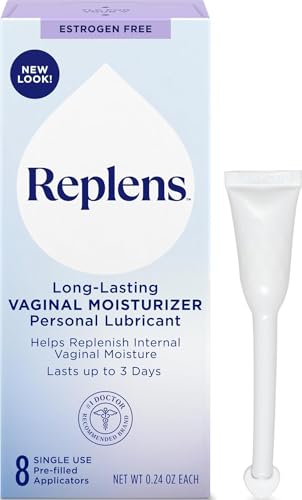
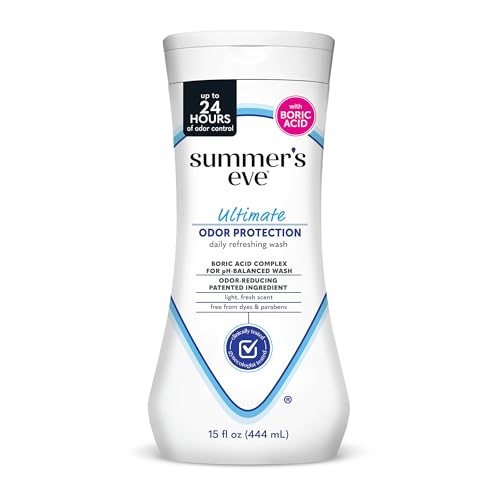
The six things that go with a vaginal suppository: applicators, pH strips so you know what you are treating, a probiotic and a vitamin E option, a moisturizer, and a gentle wash. See a clinician for diagnosis. Prices are approximate at time of writing.


The safety note, in full
Every reputable boric acid suppository prints the same block of warnings, and the block is the product's most honest description. Here it is, line by line, with what each line means in practice.
- Not FDA-approved to treat any condition. Boric acid suppositories are dietary supplements. The label is permitted to say they support pH balance or address odor; it is not permitted to say they treat, cure or prevent bacterial vaginosis, yeast infections or anything else, and this site never says it either.
- For vaginal use only. Never take by mouth. Boric acid is poisonous if swallowed. The capsules are visually identical to oral supplements, so store them apart from anything you swallow. If one is swallowed, contact Poison Control immediately.
- Keep out of reach of children. Same reason: a capsule that looks like candy or a vitamin.
- Do not use if pregnant or nursing. There is no version of this product this site would suggest in pregnancy. Talk to your clinician.
- Do not use on broken, irritated or bleeding skin. Boric acid on damaged tissue is a recipe for burning.
- See a clinician for a diagnosis before self-treating. The symptom that sends most people to this shelf, odor, has several possible causes, and a supplement for odor cannot distinguish them.
- Stop and see a clinician if symptoms persist or get worse. And never use more days than the label states.
What a boric acid suppository actually is
Strip away the branding and the product is simple: boric acid powder, nearly always stated as 600 mg, sealed in a size 00 gelatin or vegetable capsule. It is inserted into the vagina, where body heat and moisture dissolve the capsule over several hours. There is no applicator built in; most brands sell one separately or expect you to use a finger.
The reason so many sellers can make one is that there is nothing proprietary about it. pH-D Feminine Health, AZO and NutraBlast Boric Life all state 600 mg on their listings. The differences a buyer can actually evaluate are whether the strength and count are printed at all (several listings state neither), how the brand packages the capsules against heat, how consistent owner reports are about firmness and irritation, and the price per suppository, which ranges from about $0.33 to about $1.59 across credible brands on September 5, 2026.
Words that appear on labels and mean nothing regulatory: clinical, medical grade, pharmaceutical grade, USP grade, doctor formulated. A supplement is a supplement. What those words cannot do is turn the product into a treatment, and a brand that leans on them is telling you about its marketing, not its product. Our ranking on printed facts rather than adjectives is in the best boric acid suppositories.
What the label says, and what it carefully does not
Pick up any credible box and the use statement is short: for vaginal odor, or to support a balanced vaginal pH. That brevity is not modesty; it is the legal boundary of a supplement label. Notice what is absent: no mention of bacterial vaginosis, no mention of yeast, no mention of infection, treatment, cure or prevention. When a product name or a third-party listing implies those things, the box itself does not, and the box is the document that counts.
This matters for a practical reason. The symptoms people associate with odor overlap with conditions that need a diagnosis and, sometimes, a prescription. An FDA-approved OTC antifungal like miconazole has a Drug Facts panel stating that it treats vaginal yeast infections and telling first-timers to ask a doctor (see the best yeast infection treatments). Boric acid has no such panel because it has no such approval. The comparison people search most, Monistat vs boric acid, is really a comparison between a drug and a supplement.
How to use one, exactly as the label directs
The directions on every credible box are close to identical, and they are the only directions this page gives. One suppository, inserted into the vagina, typically at bedtime, once daily, for the number of days the label states. Not more per day; not more days. If the box you bought says something different, the box wins.
The mechanics: wash your hands. Remove one capsule from its packaging. Lie on your back with knees bent, or stand with one foot raised, and insert the capsule as far as is comfortable, using a clean finger or a disposable applicator such as the pH-D vaginal suppository applicators. Bedtime is the near-universal owner recommendation because lying down keeps the dissolving capsule in place. Wear a panty liner. The step-by-step for any vaginal insert is in how to use a vaginal suppository, and applicators are ranked in the best vaginal suppository applicators.
Two things the label also says that owners sometimes skip: do not use on broken or irritated skin, and stop if you experience burning that does not settle. A brief, mild sensation on insertion is widely reported and usually passes; persistent burning is the label's stop line.
What to expect afterward
Discharge. That is the single most consistent owner report across every brand, and it is expected. The capsule dissolves, the contents mix with normal moisture, and the result is a watery, sometimes slightly gritty discharge in the morning. Owners of pH-D and AZO describe it in nearly identical terms. A liner handles it. Discharge that is foul-smelling, discolored, bloody, or accompanied by fever or pelvic pain is not this, and the label's instruction for it is to see a clinician.
Sexual activity. Labels and owner consensus agree: not while a suppository is in place or dissolving. Boric acid is not for a partner's mouth or skin either, for the same poison-if-swallowed reason that governs everything else about the product. Owners generally describe waiting until the discharge has cleared.
Storage and heat. Gelatin capsules soften in heat, and a hot mailbox is the most common reason a box arrives with soft or stuck capsules. Store them cool and dry, away from anything you take by mouth, out of children's reach. A soft capsule can be firmed in the refrigerator before use; what to do when a suppository melts covers the recovery, and how to store suppositories covers the rest.
When to stop and see a clinician
The labels give you the list, and it is short enough to memorize. Stop using the product and see a clinician if:
- Burning, stinging or irritation does not settle, or gets worse with each use.
- You notice bleeding, or you have broken or irritated skin.
- You develop fever, chills, pelvic or abdominal pain, or pain with urination.
- Discharge is foul-smelling, discolored, or clearly different from the expected watery morning discharge.
- Symptoms persist after the number of days the label states, or come back soon after.
- You are, or might be, pregnant or nursing. Do not start; see your clinician.
And the one that comes before all of them: see a clinician for a diagnosis before self-treating in the first place. A pH test strip, which we rank in the best vaginal pH test strips, can tell you whether pH reads outside the commonly cited normal range, but a strip is not a diagnosis, and the Pelvana strips say as much on their own packaging.
Boric acid versus the other things on the shelf
Because the category is crowded, it helps to know what boric acid is not. It is not an antifungal drug: miconazole and clotrimazole have Drug Facts panels and an approved use, and their labels tell first-timers and frequent repeaters to ask a doctor. It is not a probiotic: probiotic suppositories are supplements with even softer support-only claims, compared in boric acid vs probiotic suppositories. It is not a moisturizer: hyaluronic acid and vitamin E inserts are for dryness and make no odor claim. And it is not a tea tree product, a botanical with its own irritation profile, compared in tea tree vs boric acid suppositories.
Some products blend boric acid with other things: lactic acid, probiotics, herbs, aloe. None of the additions change the category or the warnings. A boric acid blend is still a boric acid supplement, still for vaginal use only, still poisonous if swallowed, still not for pregnancy. If anything, blends draw a few more irritation reports from owners with sensitive skin. The unblended, fully printed products from the established brands remain the simplest to evaluate, which is why they lead our ranking.
How to use a boric acid suppository as the label directs
- 1
Read the box and confirm it is for you
Confirm the product is for vaginal use only, that you are not pregnant or nursing, that your skin is not broken or irritated, and that a clinician has told you what is going on. Boric acid is poisonous if swallowed; never take it by mouth.
- 2
Wash your hands and remove one capsule
Take one suppository from its packaging. If a capsule is soft from heat, firm it in the refrigerator for a few minutes before use.
- 3
Insert as far as is comfortable
Lie on your back with knees bent or stand with one foot raised, and insert the capsule into the vagina using a clean finger or a disposable applicator. Bedtime is the widely recommended time so the dissolving capsule stays in place.
- 4
Wear a liner and expect discharge
The capsule dissolves overnight and produces a watery discharge in the morning. This is expected. Avoid sexual activity while the suppository is in place or dissolving.
- 5
Follow the label's day count exactly
Use one per day for the number of days the box states, never more. Stop and see a clinician if burning does not settle, if you notice bleeding, fever or pelvic pain, or if symptoms persist after the labeled course.
Ready to buy? Start with our top picks
Whatever this guide steered you toward, here's where most readers land, ranked on verified label facts and value. Live price check on each.
As an Amazon Associate we earn from qualifying purchases, at no cost to you.
Key terms
- Boric acid suppository
- A gelatin or vegetable capsule containing boric acid powder, nearly always stated as 600 mg, for vaginal insertion. Sold as a dietary supplement described for vaginal odor and pH balance support. Not FDA-approved to treat any condition, and poisonous if swallowed.
- Dietary supplement (versus OTC drug)
- The regulatory category boric acid suppositories fall into. A supplement label may use structure/function language such as supports or balances; it may not claim to treat, cure or prevent a disease. An OTC drug such as miconazole has a Drug Facts panel and an FDA-approved use.
- pH balance support
- The structure/function phrase most boric acid labels use. It describes a supporting role and is not a diagnosis or a treatment claim. A pH strip can read pH; it cannot tell you why it reads as it does.
- Vaginal use only
- The warning that boric acid suppositories are inserted vaginally and never taken by mouth, applied to broken skin, or used by a partner. Boric acid is poisonous if swallowed; keep it out of reach of children and away from oral supplements.
- Labeled course
- The number of days the box directs, usually one suppository daily for a stated count. It is the only course this site describes. Persistent or returning symptoms after it are the label's cue to see a clinician, not to extend the course.
Questions, answered
What are boric acid suppositories used for?
According to their labels, vaginal odor and pH balance support. That is the whole use statement, because boric acid suppositories are dietary supplements and are not FDA-approved to treat any condition. They do not treat, cure or prevent bacterial vaginosis or yeast infections, and a clinician should diagnose symptoms before you use one. Every box also carries the warnings: vaginal use only, never by mouth, poisonous if swallowed, keep from children, not in pregnancy or nursing, not on broken skin.
Are boric acid suppositories safe?
They are sold with a specific set of warnings, and safety depends on respecting all of them. Vaginal use only; boric acid is poisonous if swallowed, so never by mouth and never within reach of children. Do not use if pregnant or nursing. Do not use on broken or irritated skin. Stop and see a clinician if burning persists, if you notice bleeding, fever or pelvic pain, or if symptoms do not resolve within the labeled course. Mild, brief sensation on insertion is commonly reported; persistent burning is the stop line.
What happens if you swallow a boric acid suppository?
Boric acid is poisonous if swallowed. Contact Poison Control immediately. This is why the label says vaginal use only and keep out of reach of children, and why we suggest storing the capsules away from any oral supplements, because they look identical.
How long does a boric acid suppository take to dissolve?
Owners consistently describe an overnight dissolve, which is why bedtime insertion is the near-universal recommendation. By morning the capsule has dissolved and the result is a watery discharge. Individual timing varies; the practical answer is to insert at bedtime, lie down, and wear a liner.
Can I use a boric acid suppository during my period, or while pregnant?
Pregnant or nursing: no, every label says do not use, and there is no exception on this site. During a period: labels do not direct use around menstruation, and owners generally describe waiting until it has ended, both because flow washes the capsule out and because tampons and a dissolving capsule do not mix. When in doubt, ask your clinician.
Do I need an applicator for a boric acid suppository?
No. Most boxes do not include one and the label directs insertion with a clean finger. Many owners prefer a disposable applicator for hygiene and reach; pH-D sells a five-pack, NutraBlast sells bundles, and the options are ranked in the best vaginal suppository applicators. An applicator changes convenience, not what the product is for.
Which brand of boric acid suppository should I buy?
Our ranked picks are in the best boric acid suppositories. The short version: pH-D Feminine Health 600 mg, 36 count, at $26.97 on September 5, 2026, prints strength and count and has the most consistent owner history; AZO 600 mg, 30 count, at $19.49 is the value pick from a pharmacy brand; NutraBlast Boric Life 30 at $9.96 is the cheapest credible box. All three carry the same warnings and the same odor-and-pH label.
Filed under Explainer
Keep reading
Best Boric Acid Suppositories (2026), Ranked
pH-D, AZO, Love Wellness, Monistat Maintain and NutraBlast on printed strength, count and cost per suppository.
How to Use a Vaginal Suppository
The step-by-step for every insert type: position, applicators, timing, liners.
Monistat vs Boric Acid
An FDA-approved antifungal versus a supplement: the distinction that matters most on this shelf.
Boric Acid vs Probiotic Suppositories
Two supplements, two label vocabularies, and which one owners reach for when.