Our Pick: Fleet
Check price on Amazon →How to Use a Vaginal Suppository: Applicator, Finger, Timing and Leakage
Wash your hands, load the suppository into its applicator or hold it between clean fingers, lie on your back with knees bent, insert it as far as is comfortable angled slightly toward your lower back, release it, and lie down. Nearly every label directs bedtime use because the base will melt and some of it will leak; a panty liner is the standard answer. Below: both methods, the label directions for miconazole, boric acid and moisturizer inserts, and the boric acid warnings every box carries.
By The Best Suppositories Desk2026-09-05~9 min read Ranked on verified label facts, never box claimsHow we research
To use a vaginal suppository: wash your hands, unwrap the suppository and place it in the cup end of the applicator if one is supplied (or hold it between clean fingers), lie on your back with your knees bent and apart or stand with one foot on the toilet seat, insert the applicator or your finger into the vagina as far as is comfortable, angled slightly toward your lower back rather than straight up, push the plunger or your finger to place the suppository high, withdraw, and lie down. Do it at bedtime, which is what the Monistat 3-Day Drug Facts label directs and what nearly every boric acid and moisturizer label echoes, and wear a liner, because the melted base leaks.
What you are inserting decides what the label allows. Miconazole and clotrimazole ovules and suppositories are FDA-regulated OTC drugs with a stated use of treating vaginal yeast infections. Boric acid suppositories such as pH-D Feminine Health 600 mg are not FDA-approved to treat any condition; the labels describe them as for vaginal odor and pH balance support, and every box carries the same warnings, which this page repeats before it explains anything else: for vaginal use only, never taken by mouth because boric acid is poisonous if swallowed, keep away from children, do not use if pregnant or nursing, do not use on broken skin, stop and see a clinician if symptoms persist, and see a clinician for a diagnosis before self-treating. Probiotic, vitamin E, tea tree and hyaluronic acid inserts are supplements or cosmetics that moisturize or support comfort and treat nothing.
This page is technique and label reading, not medical advice. A clinician decides whether you need any of these products, and for a first vaginal yeast infection, recurring infections, or symptoms that do not improve, every antifungal label says ask a doctor. If you buy through a link we may earn an Amazon commission at no cost to you.
The short version
- Position: on your back with knees bent, or one foot raised. Insert as far as comfortable, angled toward the lower back.
- Bedtime is the label direction for miconazole and the practical direction for everything else; lie down afterward and wear a liner.
- Applicators: miconazole ovules ship with disposable ones; boric acid brands sell them separately; reusable ones are washed with soap and warm water.
- Miconazole labels: ask a doctor for a first yeast infection or recurring ones, and if symptoms do not improve in 3 days or last more than 7.
- Boric acid: vaginal use only, poison if swallowed, never in pregnancy, not a treatment for anything. Never open the capsule.
Our top-rated suppositories
Whatever you decide, these are the picks we recommend across every shelf, ranked on verified label facts and cost per dose. Live price check on each.


As an Amazon Associate we earn from qualifying purchases, at no cost to you.
What you'll need
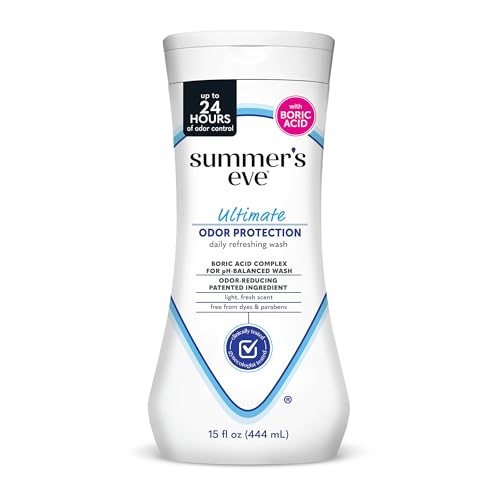
The six things that go with a vaginal suppository: applicators, pH strips so you know what you are treating, a probiotic and a vitamin E option, a moisturizer, and a gentle wash. See a clinician for diagnosis. Prices are approximate at time of writing.



Before you start: what to have ready
You need the suppository, an applicator if the product uses one, a liner, and about two minutes. Most vaginal suppositories are firm capsules or ovules and do not need chilling, but a vitamin E or cocoa butter based insert that has softened in a warm cabinet inserts more easily after 15 minutes in the refrigerator. Do not use petroleum jelly or oil-based lubricant with any vaginal product; water is fine if you need it, and most inserts need nothing. If you have your period, many labels say the product can still be used, but check the box; miconazole labels specifically say not to use tampons, douches or spermicides during treatment.
Wash your hands before and after. If you are using a reusable applicator, wash it with soap and warm water and let it dry fully between uses. Unwrap the suppository only when you are ready to insert it. If the box says to insert one per day, the direction is one per day; there is no vaginal suppository on this site whose label directs more than that.
Method one: with an applicator
Unwrap the suppository and set it in the cup end of the applicator so it sits securely without being crushed. Lie on your back with your knees bent and apart, or stand with one foot raised on the toilet seat or edge of the tub. Hold the applicator by the barrel and gently insert it into the vagina as far as it comfortably goes, angling it slightly toward your lower back, the way the vagina actually runs, rather than straight up. Push the plunger all the way in to release the suppository, then withdraw the applicator while holding the plunger in. Discard a disposable applicator; wash a reusable one.
The Monistat 3-Day ovules ship with disposable applicators and the Drug Facts label directs one ovule at bedtime for 3 nights in a row; the 1-Day and 7-Day products follow the same pattern with their own counts. Boric acid brands are split: some bundle applicators, most do not, and the pH-D vaginal suppository applicators, 5 for $9.50 (verified via the Amazon Creators API on September 5, 2026), are the brand's own add-on. Which applicator fits which capsule, and where a reusable one makes sense, is covered in the suppository applicators guide and ranked in the best vaginal suppository applicators.
Method two: with a finger
Every vaginal suppository on this site can be inserted without an applicator. Wash your hands, unwrap the suppository, and hold it between your thumb and index finger or balance it on your index fingertip. Same position: on your back with knees bent, or one foot raised. Part the labia with your other hand and gently push the suppository into the vagina as far as your finger comfortably reaches, angled toward your lower back. A capsule placed high enough will not fall out when you stand; one placed shallow will. Withdraw your finger and lie down.
Owners who use both methods report the finger is faster and the applicator places the suppository higher and more consistently, especially for a small capsule. Neither is wrong. What matters is depth and staying lying down afterward. If you have long nails, a disposable applicator is the more comfortable choice.
What each label directs after insertion
Miconazole (Monistat) and clotrimazole: OTC drugs. The Monistat label directs bedtime use for the stated nights, says to ask a doctor before use if this is your first vaginal yeast infection, if you get infections often, or if you are pregnant or think you may be, and says to stop and ask a doctor if symptoms do not improve in 3 days or last more than 7 days. It also warns not to use tampons, douches, spermicides or other vaginal products during treatment, and that the product may damage condoms and diaphragms. That is the label, quoted; the shelf is ranked in the best yeast infection treatments.
Boric acid: not FDA-approved to treat anything. Labels describe the product as for vaginal odor or pH balance support and typically direct one suppository per day, usually at bedtime, for the number of days printed on the box. The warnings, again, because the box repeats them and so do we: vaginal use only; never by mouth, boric acid is poisonous if swallowed; keep away from children; do not use if pregnant or nursing; do not use on broken skin; stop and see a clinician if symptoms persist; and see a clinician for a diagnosis before self-treating. Never open the capsule. The boric acid guide carries the full safety note. Moisturizer and supplement inserts (hyaluronic acid, vitamin E, probiotic, tea tree): follow the box's schedule, which for a moisturizer such as a hyaluronic acid insert is often every few days rather than nightly. They moisturize or support comfort; they do not treat, cure or prevent any condition, and these statements have not been evaluated by the Food and Drug Administration.
Leakage, discharge and what is normal
Leakage is not a sign the suppository failed; it is the base coming back out after it has released its contents. Cocoa butter, hard fat and vitamin E based inserts leak the most and can leave an oily residue; PEG based and capsule products tend to leak a watery or slightly gritty discharge. Owners consistently report that the first hour after insertion is the messiest, which is why bedtime works: you are lying down for the melt, and the liner catches the rest overnight. Do not douche to clear it; miconazole labels say not to, and douching is not recommended by clinicians for any product on this shelf.
What is not normal, per the labels: burning or irritation that gets worse rather than fading, symptoms that do not improve in 3 days or last more than 7 on an antifungal, any bleeding that is not your period, or, on any product, symptoms that persist. Each of those is the label's own line to stop and see a clinician. If you are not sure whether what you have is a yeast infection, that uncertainty is itself the label's ask-a-doctor line; a pH strip is a screening tool, not a diagnosis, and our pH strip guide says so.
Timing around sex, periods and pregnancy
Sex: the labels on miconazole say the product may damage latex condoms and diaphragms, and most brands across the shelf advise waiting until the course is finished. Boric acid labels typically say to avoid intercourse during use, and since the product must never be taken by mouth, oral contact is a specific reason to wait. Periods: miconazole labels allow use during menstruation without tampons; boric acid and moisturizer labels vary, and the box you hold is the authority. Pregnancy and nursing: the Monistat label says ask a doctor before use if pregnant; boric acid labels say do not use if pregnant or nursing, and we never recommend boric acid in pregnancy under any circumstance.
One practical note on reusable versus disposable applicators: a reusable applicator is fine for a moisturizer used on an ongoing schedule, and a disposable one is the cleaner choice during an antifungal course. The wider shelf, with what each product is legally allowed to say, is in the best vaginal suppositories.
How to insert a vaginal suppository with an applicator
- 1
Wash your hands and load the applicator
Wash your hands with soap and water. Unwrap the suppository and set it in the cup end of the applicator so it sits securely without being crushed.
- 2
Get into position
Lie on your back with your knees bent and apart, or stand with one foot raised on the toilet seat. Relax.
- 3
Insert the applicator
Gently insert the applicator into the vagina as far as it comfortably goes, angled slightly toward your lower back rather than straight up.
- 4
Release and withdraw
Push the plunger all the way in to release the suppository. Withdraw the applicator while holding the plunger in. Discard a disposable applicator or wash a reusable one with soap and warm water.
- 5
Lie down and use a liner
Use the product at bedtime as the label directs, lie down afterward, and wear a panty liner; the melted base will leak. Follow the box's number of days. Stop and see a clinician if symptoms persist, and for any boric acid product, never take it by mouth and never use it in pregnancy.
Ready to buy? Start with our top picks
Whatever this guide steered you toward, here's where most readers land, ranked on verified label facts and value. Live price check on each.
As an Amazon Associate we earn from qualifying purchases, at no cost to you.
Key terms
- Ovule
- An egg-shaped vaginal insert, the miconazole (Monistat) format. Ships with disposable applicators; the 3-Day label directs one at bedtime for 3 nights.
- Applicator
- A plunger tube that places a suppository high in the vagina. Disposable ones come with antifungal kits; boric acid brands sell them separately; reusable ones are washed between uses.
- Bedtime direction
- The instruction on nearly every vaginal label to insert at night. It exists because the base melts and leaks; lying down keeps the product in place while it dissolves.
- Boric acid warnings
- The box lines on every boric acid suppository: vaginal use only, poisonous if swallowed, keep away from children, not in pregnancy or nursing, not on broken skin, see a clinician for diagnosis. Boric acid is not FDA-approved to treat any condition.
- Structure/function claim
- What a supplement or cosmetic insert is allowed to say: it moisturizes, it supports comfort. It cannot claim to treat, cure or prevent a condition, and the FDA has not evaluated such statements.
Questions, answered
How do you insert a vaginal suppository without an applicator?
Wash your hands, unwrap the suppository, lie on your back with knees bent or stand with one foot raised, part the labia, and push the suppository in with your index finger as far as it comfortably reaches, angled slightly toward your lower back. Place it high enough that it does not fall out when you stand, then lie down. Every vaginal suppository on this site can be inserted this way; an applicator places it higher and more consistently, which is why antifungal kits include one.
How far should a vaginal suppository go in?
As far as is comfortable, which with an applicator means the applicator's full length and with a finger means roughly the length of your index finger. The vagina angles toward the lower back, not straight up, so tilt accordingly. A suppository that falls out when you stand was placed too shallow; reinsert it deeper rather than adding a second one.
Why do vaginal suppositories have to be used at bedtime?
Because the base melts or dissolves over about an hour and some of it leaks out. The Monistat label directs bedtime use for that reason, and boric acid and moisturizer labels follow the same logic. Lying down keeps the product in place while it releases; a liner catches the rest overnight. If you must use one during the day, lie down for at least 15 to 30 minutes afterward and expect more leakage.
Is discharge after a vaginal suppository normal?
Yes. It is the base coming back out after releasing its contents: oily from cocoa butter and vitamin E inserts, watery or slightly gritty from capsule and PEG products. It is heaviest in the first hour and lighter by morning. Do not douche to clear it; miconazole labels say not to. Discharge with a bad odor, worsening burning, bleeding that is not your period, or symptoms that persist are the label's own lines to stop and see a clinician.
Can I use a vaginal suppository during my period?
Miconazole labels allow use during menstruation but say not to use tampons during treatment. Boric acid and moisturizer labels vary by brand; the box you hold is the authority. If the box does not address it, a pharmacist can. Menstrual flow will carry more of the base out, so expect heavier leakage.
How long should you wait to have sex after a vaginal suppository?
The Monistat label warns the product may damage condoms and diaphragms and most brands advise waiting until the course is finished. Boric acid labels typically say to avoid intercourse during use, and because boric acid must never be taken by mouth, any oral contact is a specific reason to wait. Moisturizer labels are generally more permissive; read the box.
Can I use boric acid suppositories while pregnant?
No. Every boric acid label says do not use if pregnant or nursing, and we never recommend boric acid in pregnancy. Boric acid is also not FDA-approved to treat any condition, is poisonous if swallowed, and must be kept away from children. If you are pregnant and have vaginal symptoms, that is a call to your clinician, not a shelf purchase.
Filed under Explainer
Part of Suppositories 101
Keep reading
Suppository Applicators Guide
Disposable, reusable and bundled applicators, what fits what, and how to clean one.
Boric Acid Suppositories Guide
What the labels say, every box warning, and why boric acid never treats anything.
Best Vaginal Suppositories (2026)
OTC antifungals, boric acid, probiotic, vitamin E and hyaluronic acid inserts, kept legally distinct.
How to Insert a Suppository
The flagship guide covering both routes, the child method and the common mistakes.