Our Pick: Monistat
Check price on Amazon →Monistat vs Boric Acid: An FDA-Approved Drug and a Supplement Are Not a Choice
Monistat is miconazole, an OTC antifungal drug with a Drug Facts panel that treats vaginal yeast infections. Boric acid suppositories are supplements that are not FDA-approved to treat any condition and are labeled for vaginal odor and pH support. They are not two options for one problem. The page's answer is a diagnosis: a clinician tells you which shelf, if either, applies. Monistat 3-Day is $17.49; pH-D boric acid 36 count is $26.97; the Monistat-branded boric acid that causes the confusion is $15.97. Prices verified via the Amazon Creators API on September 5, 2026.
By The Women's Health Desk2026-09-05~11 min read Ranked on verified label facts, never box claimsHow we research
 Best Overall
Monistat 3-Day Yeast Infection Treatment, Miconazole Ovule Inserts + Cream
Monistat · 4.5
$17.49
 Best Value
Maintain by Monistat Boric Acid Vaginal Suppositories for Women, 30 Count
Monistat · 4.3
$15.97
 Upgrade Pick
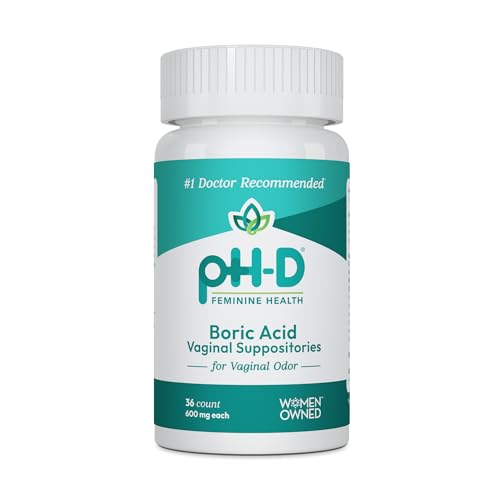
pH-D Feminine Health Boric Acid Suppositories for Women, 600 mg, 36 Count
pH-D Feminine Health · 4.7
$26.97
Before anything else, the boric acid box. Boric acid vaginal suppositories are not FDA-approved to treat any condition. They do not treat, cure or prevent bacterial vaginosis or yeast infections, and no label says they do; the labels describe them for vaginal odor and pH balance support. Every box carries the same warnings: for vaginal use only; never take by mouth, boric acid is poisonous if swallowed; keep out of reach of children; do not use if pregnant or nursing; do not use on broken or irritated skin; see a clinician for a diagnosis before self-treating symptoms; and stop and see a clinician if symptoms persist or get worse.
Now the comparison, which is not really a comparison. Monistat 3-Day Yeast Infection Treatment, Miconazole Ovule Inserts + Cream, at $17.49 (verified via the Amazon Creators API on September 5, 2026), is an over-the-counter drug. Its Drug Facts panel states a use, treats vaginal yeast infections, and a set of directions, and it is regulated as a medicine. pH-D Feminine Health Boric Acid Suppositories, 600 mg, 36 count, at $26.97, is a dietary supplement. Its label states no treatment use, because it has none; it is sold for vaginal odor and pH support. A buyer asking which one to use is asking a question the products cannot answer. The Monistat label itself says ask a doctor before use if this is your first yeast infection, and the boric acid label says see a clinician for diagnosis. Both labels send you to the same place first.
The confusion has a specific cause, and it is the third product on this page: Monistat sells a boric acid supplement under its own name, Maintain by Monistat, which is not the antifungal and carries every boric acid warning. We keep the shelves apart here the way the labels do. We quote the Drug Facts panel for the drug and the supplement label for the supplement, we make no medical claims, and we are not clinicians; nothing on this page is medical advice. No brand has paid for a placement, and if you buy through our links we may earn an Amazon commission at no extra cost to you.
The short version
- Boric acid box first: vaginal use only, never by mouth (poison if swallowed), keep from children, not in pregnancy or nursing, not on broken skin, see a clinician for diagnosis and if symptoms persist. Not FDA-approved to treat any condition.
- Monistat (miconazole) is an FDA-approved OTC antifungal drug. Its Drug Facts panel says it treats vaginal yeast infections and relieves the external itching that comes with one. Nothing else.
- Boric acid is a supplement. Its label says vaginal odor and pH support. It does not treat yeast infections or BV, and this site never says it does.
- Neither label is written for a symptom without a diagnosis: Monistat says ask a doctor if it is your first infection or you get them often; boric acid says see a clinician for diagnosis. Start there.
- Maintain by Monistat is boric acid, not miconazole. Same brand name, different shelf, every boric acid warning. It is the product that causes the confusion.
At a glance
| Product | Category | Active | Label says it is for | Count | Price (9/5/26) | Check price |
|---|---|---|---|---|---|---|
| Monistat 3-Day, ovules + cream | OTC drug (Drug Facts) | Miconazole nitrate, 200 mg per ovule per panel | Treats vaginal yeast infections | 3 ovules + cream | $17.49 | Check price on Amazon |
| pH-D Boric Acid, 600 mg, 36 ct | Supplement (not FDA-approved to treat anything) | Boric acid 600 mg | Vaginal odor, pH support | 36 | $26.97 | Check price on Amazon |
| Maintain by Monistat Boric Acid, 30 ct | Supplement (not FDA-approved to treat anything) | Boric acid (mg not in title) | Vaginal odor | 30 | $15.97 | Check price on Amazon |
The drug, the supplement, and the confusingly named supplement. Category comes from the label type; strength from the Drug Facts panel or the listing title; counts from the title. Prices verified via the Amazon Creators API on September 5, 2026.
Monistat 3-Day Yeast Infection Treatment, Miconazole Ovule Inserts + Cream
Monistat
An FDA-approved OTC antifungal with a Drug Facts panel: treats vaginal yeast infections, three nights, external cream included.
Our verdict: Monistat is a medicine, and the difference between it and everything else on this page is that its label is allowed to say what it treats. It treats vaginal yeast infections. It does not treat bacterial vaginosis, odor, or anything else, and its own panel says ask a doctor if this is your first infection or you get them often. If a clinician has diagnosed a yeast infection, this is the shelf; if not, the label says get the diagnosis.
Verified: Labeled active: miconazole nitrate, 200 mg per ovule per the Drug Facts panel, 3 ovules plus external itch cream. Uses: treats vaginal yeast infections; relieves external itching and irritation due to a vaginal yeast infection. Live at $17.49 on Amazon, verified via the Creators API on September 5, 2026.
What the Drug Facts panel says. Monistat 3-Day Ovule Inserts + Cream: miconazole nitrate, treats vaginal yeast infections and relieves external itching and irritation due to one. Directions: adults and children 12 and over, insert 1 ovule at bedtime for 3 nights; apply the external cream as directed; under 12, ask a doctor. Do not use if you have never had a vaginal yeast infection diagnosed by a doctor. Ask a doctor before use if you get yeast infections often, are pregnant or breastfeeding, or have fever, chills, pain in the lower abdomen, back or shoulder, or a foul-smelling discharge. Stop and ask a doctor if not better in 3 days or not gone in 7. May damage condoms and diaphragms.
The other courses are the same drug at different lengths, compared in Monistat 1 vs 3 vs 7: Monistat 1-Dose at $18.44 and Monistat 7-Day Cream at $16.18. The generic is Amazon Basic Care Miconazole 4 percent, 3-day at $10.08; the other OTC antifungal is clotrimazole, Gyne-Lotrimin 3-Day at $9.00. The field is ranked in the best yeast infection treatments.
Who should buy it
Buy Monistat if a clinician has diagnosed a vaginal yeast infection, or you have had one diagnosed before and recognize it, and none of the label's ask-a-doctor lines apply to you.
What we don't like
Burning on insertion is on the label and in owner reports, the milligrams are on the panel rather than the listing title, and the brand's own boric acid line under the same name undercuts the clarity its Drug Facts panel provides.
- Active ingredient
- Miconazole nitrate (OTC antifungal drug)
- Strength
- 200 mg per ovule (per the Drug Facts panel)
- Count
- 3 ovules plus external cream
- Form
- Vaginal ovule insert plus external cream
- Label ages
- 12 and over; under 12 ask a doctor
- Label use
- Treats vaginal yeast infections
- Packaging
- Boxed, ovules sealed
What we like
- An FDA-approved OTC drug with a printed use
- Label carries clear ask-a-doctor and stop lines
- External cream in the box
Worth noting
- Burning on insertion per label and owners
- Treats yeast infections only; nothing else
pH-D Feminine Health Boric Acid Suppositories for Women, 600 mg, 36 Count
pH-D Feminine Health
The reference boric acid supplement: printed 600 mg, labeled for odor and pH support, poison if swallowed, treats nothing.
Our verdict: pH-D is the boric acid suppository to buy if a boric acid suppository is what a clinician has said you want, and it is here as the reference for its shelf, not as an alternative to Monistat. Its label says odor and pH support. It is not an antifungal, it is not approved to treat a yeast infection or bacterial vaginosis, and using it in place of a diagnosis is the mistake this page exists to prevent.
Verified: 600 mg boric acid per suppository, 36 count, supplement labeled for vaginal odor and pH balance support; not FDA-approved to treat any condition. Live at $26.97 on Amazon, verified via the Creators API on September 5, 2026.
The warnings, first. pH-D Boric Acid Suppositories, 36 count are for vaginal use only. Never take them by mouth; boric acid is poisonous if swallowed. Keep out of reach of children. Do not use if pregnant or nursing. Do not use on broken or irritated skin. Not FDA-approved to treat any condition. See a clinician for diagnosis, and stop and see a clinician if symptoms persist.
Within its own shelf, pH-D is the reference: printed 600 mg, printed count, the most consistent owner history, about $0.75 each ($26.97 divided by 36, verified September 5, 2026). AZO's 30 count at $19.49 is the pharmacy-brand alternative. The ranked shelf is the best boric acid suppositories; the ingredient explainer is the boric acid suppositories guide.
Who should buy it
Buy pH-D boric acid only if a clinician has told you what is going on and a boric acid supplement for odor and pH support is what you want, and you have read every warning.
What we don't like
A poison in a capsule that looks like a supplement, a shelf full of marketing that implies treatment, and a name-share with Monistat's Maintain line that makes the confusion worse.
- Active ingredient
- Boric acid (supplement; not FDA-approved to treat any condition)
- Strength
- 600 mg per suppository
- Count
- 36
- Form
- Vaginal suppository (gelatin capsule)
- Label ages
- Adults; keep out of reach of children; not for pregnancy or nursing
- Label use
- Vaginal odor and pH balance support
- Packaging
- 36 count box
What we like
- Reference product on its own shelf
- Printed 600 mg and count
- Label stays inside odor and pH language
Worth noting
- Not an antifungal; treats nothing
- Poison if swallowed; not for pregnancy or nursing
Maintain by Monistat Boric Acid Vaginal Suppositories for Women, 30 Count
Monistat
Boric acid under the Monistat name: a supplement, not the antifungal, with every boric acid warning.
Our verdict: Maintain by Monistat is why this page exists. It is boric acid sold under the brand name of the antifungal, and a buyer who searches Monistat and lands here has left the drug shelf without knowing it. It is a supplement for vaginal odor, it carries every boric acid warning, and the title does not print its milligrams. On its own shelf it is a fair value at about $0.53 each; on the Monistat search results page it is a trap.
Verified: Boric acid vaginal suppositories, 30 count, from the Maintain by Monistat line; a supplement, not FDA-approved to treat any condition; milligram strength is not published in the listing title. Live at $15.97 on Amazon, verified via the Creators API on September 5, 2026.
Not the drug, and the box says so. Maintain by Monistat Boric Acid Suppositories share a brand with the antifungal and nothing else: they are a boric acid supplement for vaginal odor, for vaginal use only, never by mouth (poisonous if swallowed), kept from children, not for pregnancy or nursing, not for broken skin, and not FDA-approved to treat any condition. There is no miconazole in them and no Drug Facts panel on them.
At $15.97 for 30 (verified September 5, 2026) it is about $0.53 each, the cheapest of the major-brand boric acid boxes, with the milligrams unpublished in the title. The line write-up is the Monistat Maintain review.
Who should buy it
Buy Maintain only if a boric acid supplement is what a clinician has said you want, you understand it is not the Monistat antifungal, and you accept every boric acid warning.
What we don't like
The name. It puts a supplement that treats nothing beside a drug that treats a specific infection, under one brand, and the listing title does not print the milligrams.
- Active ingredient
- Boric acid (supplement; not FDA-approved to treat any condition)
- Strength
- Not published in the listing title
- Count
- 30
- Form
- Vaginal suppository
- Label ages
- Adults; keep out of reach of children; not for pregnancy or nursing
- Label use
- Vaginal odor
- Packaging
- 30 count box
What we like
- About $0.53 each on its own shelf
- Widest retail distribution of any boric acid box
Worth noting
- Shares a name with the antifungal it is not
- Milligrams not in the title
- Every boric acid warning applies
What you'll need
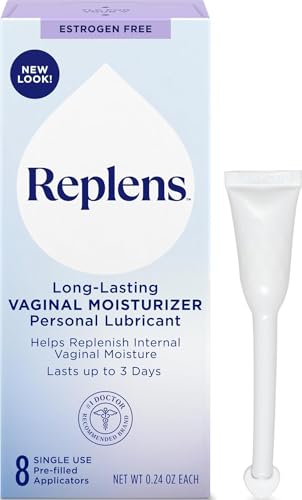
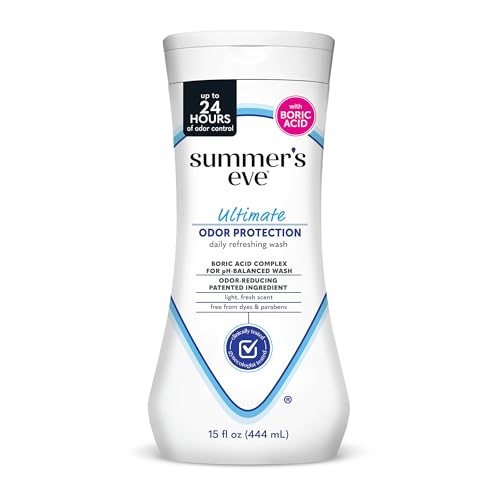
The six things that go with a vaginal suppository: applicators, pH strips so you know what you are treating, a probiotic and a vitamin E option, a moisturizer, and a gentle wash. See a clinician for diagnosis. Prices are approximate at time of writing.


Two regulatory categories, and what each label is allowed to say
Miconazole is an over-the-counter drug. The FDA has reviewed it, and its Drug Facts panel is permitted to state an indication: treats vaginal yeast infections. Everything on that panel, the directions, the age line, the ask-a-doctor and stop lines, is regulated language. Boric acid in a vaginal suppository is a dietary supplement. The FDA has not approved it to treat anything, and its label is limited to structure/function language: vaginal odor, pH balance support. It cannot say treats, cures or prevents, and any seller who implies it is stepping outside the label.
What each is for, and what neither is for
A vaginal yeast infection is a fungal overgrowth, and miconazole is an antifungal; that is the match the Monistat label describes. Bacterial vaginosis is a bacterial condition, and neither product on this page is labeled for it: Monistat's panel does not mention it, and boric acid's label cannot. Odor without a diagnosis is what the boric acid label is written around, and the honest reading of that label is that it supports, it does not treat.
The symptoms overlap. Itching, discharge and odor can come from a yeast infection, from bacterial vaginosis, from irritation, or from something else, and they look alike from the outside. That is why the Monistat panel says do not use if you have never had a yeast infection diagnosed by a doctor, and why the boric acid box says see a clinician for a diagnosis. Both labels, from opposite ends of the regulatory spectrum, give the same first instruction.
The warnings, side by side
Monistat (miconazole): ask a doctor before use if this is your first yeast infection, if you get them often, if you are pregnant or breastfeeding, or if you have fever, chills, pain in the lower abdomen, back or shoulder, nausea, vomiting or foul-smelling discharge. Children under 12: ask a doctor. Stop and ask a doctor if not better in 3 days or not gone in 7. Do not use tampons, douches, spermicides or other vaginal products during treatment. May damage condoms and diaphragms. Burning, itching and irritation are possible.
Boric acid: vaginal use only. Never by mouth; poisonous if swallowed. Keep out of reach of children. Do not use if pregnant or nursing. Do not use on broken skin. See a clinician for diagnosis. Stop and see a clinician if symptoms persist. Not FDA-approved to treat any condition. The two lists share almost nothing, because the products share almost nothing; the poison line in particular has no counterpart on the drug's panel, and it is the reason a household with children should keep boric acid capsules somewhere no one could mistake them for an oral supplement.
Why people search this comparison, and where the confusion comes from
Three sources. First, the Monistat brand sells both: the miconazole antifungals and the Maintain boric acid supplement, on the same brand page, and a buyer who does not read for the word miconazole can leave with the wrong shelf. Second, the boric acid shelf's marketing, product names like The Killer and words like clinical and medical grade on supplement labels, implies treatment that no label claims. Third, owner reviews on both shelves describe using boric acid after a course of Monistat, which is owner behavior, not a label direction, and which this page reports as the former only.
The rule that resolves all three: read the box for a Drug Facts panel. If it has one and says miconazole or clotrimazole, it is an antifungal drug for a diagnosed yeast infection. If it has a supplement label and says boric acid, it is a supplement for odor and pH support that treats nothing. The Good Clean Love Reset product, a homeopathic suppository whose title says for BV, is a third category that treats nothing either; it is sorted out in the Good Clean Love review.
Price, for what it is worth
Because the products are not substitutes, price is informational rather than decisive. On September 5, 2026: Monistat 3-Day ovules with cream, $17.49; Monistat 1-Dose, $18.44; Monistat 7-Day cream, $16.18; Amazon Basic Care miconazole 4 percent 3-day, $10.08; Gyne-Lotrimin clotrimazole 3-day, $9.00. pH-D boric acid 36 count, $26.97 (about $0.75 each); AZO boric acid 30 count, $19.49 (about $0.65 each); Maintain by Monistat boric acid 30 count, $15.97 (about $0.53 each). We do not compute a per-day cost for antifungals, because a course is bought and finished whole.
The verdict, by buyer
- Has itching, discharge or odor and no diagnosis: a clinician. Both labels say so. Neither product is the first step.
- Clinician has diagnosed a vaginal yeast infection, or has had one diagnosed before and recognizes it: Monistat 3, or the generic miconazole 4 percent 3-day; the course lengths are compared in Monistat 1 vs 3 vs 7.
- Clinician has said a boric acid supplement for odor and pH support is what you want, and every warning is acceptable: pH-D 36 count or AZO 30 count.
- Searched Monistat and found Maintain: it is boric acid, not the antifungal. Read the box for the word miconazole before buying either.
- Pregnant or breastfeeding: Monistat says ask a doctor; boric acid says do not use. Either way, the clinician first.
- Symptoms came back after a Monistat course: the label says stop and ask a doctor. It does not say switch to boric acid, and neither does this page.
More picks worth comparing
Beyond this guide, the highest-rated picks across every category and budget, with a live price check on each.


As an Amazon Associate we earn from qualifying purchases, at no cost to you.
Quick shop: every pick
Skip the scroll: the whole lineup, with a live price check on each.
- Monistat 3-Day Yeast Infection Treatment, Miconazole Ovule Inserts + CreamThe Drug: For a Diagnosed Yeast InfectionMonistat · $17.49Check price on Amazon
- pH-D Feminine Health Boric Acid Suppositories for Women, 600 mg, 36 CountThe Supplement: Odor and pH Support, Not a TreatmentpH-D Feminine Health · $26.97Check price on Amazon
- Maintain by Monistat Boric Acid Vaginal Suppositories for Women, 30 CountThe Product That Causes the ConfusionMonistat · $15.97Check price on Amazon
How we chose
We sorted every product on this page by its label type before anything else. Monistat's miconazole products carry a Drug Facts panel, and we quote its Uses, Directions and warnings and nothing beyond them. The boric acid products carry a supplement label, and we quote its use statement and every warning on the box. Strengths are attributed to the Drug Facts panel where the Amazon title does not print them; counts come from the titles; prices were verified via the Creators API on September 5, 2026. Owner reports were weighed only for what a label cannot tell you: irritation, discharge, and how often owners describe having bought the wrong shelf. We do not use these products ourselves and we claim no clinical outcomes. No brand paid for this page.
Compliance for this shelf. Miconazole is an OTC drug; we carry every ask-a-doctor line (first yeast infection, frequent infections, pregnancy or breastfeeding, fever, chills, abdominal or back pain, foul-smelling discharge) and the stop lines (not better in 3 days or not gone in 7 days). Boric acid vaginal suppositories are not FDA-approved to treat any condition; we describe them as their labels do, for vaginal odor and pH balance support, and we never say they treat, cure or prevent bacterial vaginosis, yeast infections or anything else. Every box warns: vaginal use only, never by mouth, poisonous if swallowed, keep away from children, do not use if pregnant or nursing, do not use on broken skin, see a clinician for diagnosis and if symptoms persist. These statements have not been evaluated by the Food and Drug Administration. This product is not intended to diagnose, treat, cure, or prevent any disease.
Questions, answered
Is boric acid better than Monistat for a yeast infection?
No. Monistat is miconazole, an FDA-approved OTC antifungal drug whose Drug Facts panel says it treats vaginal yeast infections. Boric acid suppositories are supplements that are not FDA-approved to treat any condition; their labels describe them for vaginal odor and pH support. They are not two options for a yeast infection. A clinician diagnoses the infection, and the antifungal is the labeled treatment.
Does boric acid treat BV?
No. Boric acid vaginal suppositories are not FDA-approved to treat any condition, and their labels do not claim to treat bacterial vaginosis. BV is diagnosed by a clinician and treated with a prescription. Monistat does not treat BV either; its panel names vaginal yeast infections only.
Is Monistat Maintain the same as Monistat?
No. Maintain by Monistat is a boric acid supplement sold under the Monistat brand name. It contains no miconazole, has no Drug Facts panel, is not FDA-approved to treat any condition, and carries every boric acid warning: vaginal use only, never by mouth, poisonous if swallowed, keep from children, not for pregnancy or nursing. The Monistat antifungals say Yeast Infection Treatment and miconazole on the box.
Can I use boric acid after Monistat?
Neither label directs it. Owners describe doing so, and this page reports that as owner behavior, not advice. If symptoms persist after a Monistat course, the Drug Facts panel says stop and ask a doctor; it does not say switch to a supplement.
Can I use Monistat and boric acid at the same time?
The Monistat panel says not to use other vaginal products during treatment, and no boric acid label directs combining. Do not.
Which is safer, Monistat or boric acid?
They have different warnings. Monistat's panel lists burning, itching and irritation as possible and carries ask-a-doctor lines for first-time and frequent infections, pregnancy and breastfeeding. Boric acid is poisonous if swallowed, must never be taken by mouth, must be kept from children, and is not for pregnancy or nursing. The safer choice is the one a clinician has told you applies, if either.
I have never had a yeast infection diagnosed. Can I use either?
The Monistat panel says do not use if you have never had a vaginal yeast infection diagnosed by a doctor, and the boric acid box says see a clinician for diagnosis. Both send you to a clinician first. Symptoms that look like a yeast infection can be bacterial vaginosis or something else that neither product addresses.
What about Good Clean Love Reset, which says for BV?
Reset is a homeopathic suppository. Homeopathic claims are not evaluated by the FDA for effectiveness, and it is not an antifungal, not an antibiotic, and not a treatment for BV. It is a third category that treats nothing. See a clinician for a diagnosis.
Filed under Comparison
Part of Vaginal Suppositories & Moisturizers · Head-to-Head Comparisons
Keep reading
Monistat 1 vs 3 vs 7
The same miconazole drug in three course lengths, with every ask-a-doctor line.
Best Yeast Infection Treatments (2026)
Monistat, the generics and clotrimazole ranked on the Drug Facts panel and the price.
Best Boric Acid Suppositories (2026), Ranked
The supplement shelf, every box warning first, no treatment claims.
Monistat Maintain Review
The Monistat-branded boric acid line, which is not the antifungal.